留言
如果您对豪沃卡车感兴趣并想了解更多详情,请在此留言,我们将在8小时内回复您。

购买时 HOWO真空吸尘车80%的人会在“6x4和4x2”车型之间犹豫不决——有人认为4x2更便宜、更省事,担心6x4是浪费;也有人想直接选择6x4,但又怕超出预算,无法充分发挥其优势。问题的核心在于“匹配自身的运营需求”。本文从载重能力、动力、效率和成本等关键维度进行全面比较,帮助您避免常见的购买误区,准确选择最适合您需求的车型。
★ 载货量和水箱容积:并非越大越好——足够才是最佳选择
许多人认为“更大的污水箱意味着更实用”,但事实并非如此。对于居民区的短途作业,一辆容量约为10立方米的HOWO 4x2型污水真空吸污车就完全足够了。选择配备20立方米污水箱的6x4型车辆,不仅会增加购置成本,还会因为空载或半载作业而增加油耗和车辆磨损。
相反,对于大规模市政疏浚工程,4x2小型水箱每天需要往返10次以上,浪费大量工时。在这种情况下,HOWO 6x4大型水箱(16-22立方米)可以将往返次数减少一半以上,从而大幅提高效率。
以下是HOWO 4x2和6x4几款污水吸污车的关键规格对比。
| 模型 | GVW(T) | 前/后轴荷载(T) | 轴距 (毫米) | 引擎 | 水箱容量 (立方米) | 真空泵 | ||
| 模型 | 功率(马力) | 模型 | 流量(立方米/分钟) | |||||
| 4x2 2080灯 | 16 | 3.2/8 | 4200 | YC4E160-33 | 160 | 8 | Jurop PN106D | 11 |
| 4x2 HW76 | 16 | 7/16 | 4600 | WP10.300E22 | 300 | 12 | SK-15 | 15 |
| 6x4 HW76 | 25 | 7/16*2 | 4600+1350 | WP10.340E22 | 340 | 20 | Jurop PN155D | 15.17 |
| 6x4 NX | 25 | 9.5/16*2 | 4625+1350 | WP12.400E32 | 400 | 20 | 2BE-204 | 21 |
|
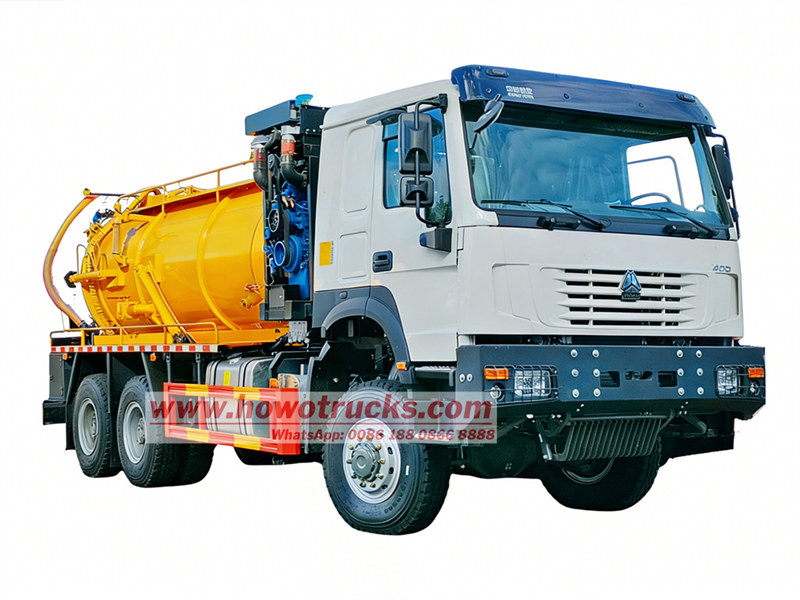
HOWO 4x2 HW76 12立方米污水罐车 |
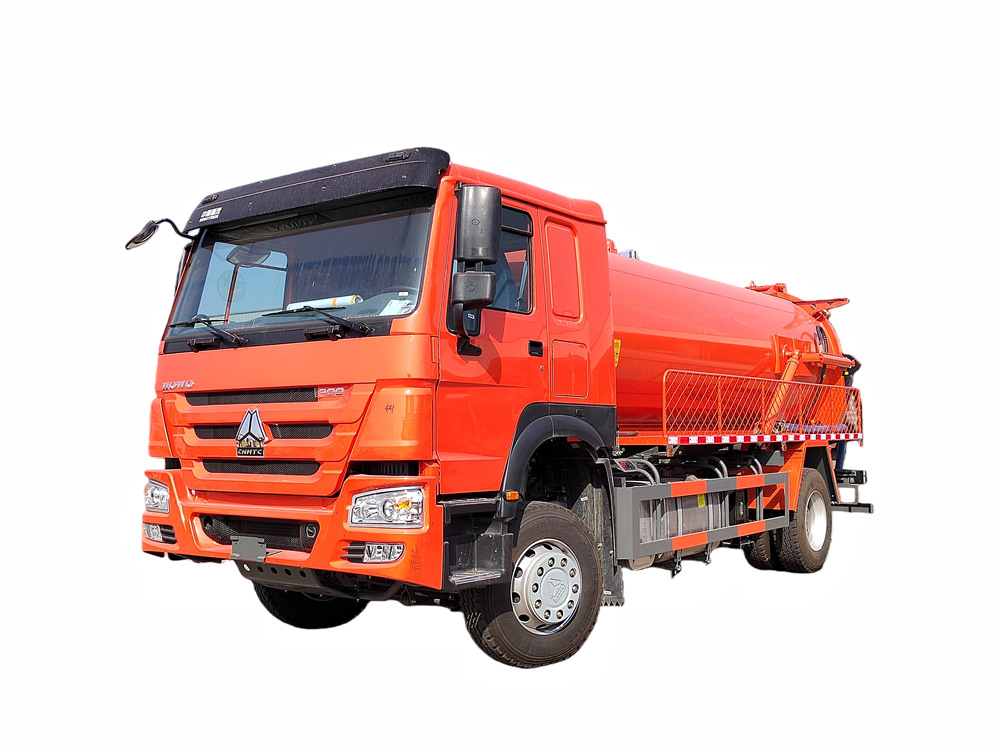
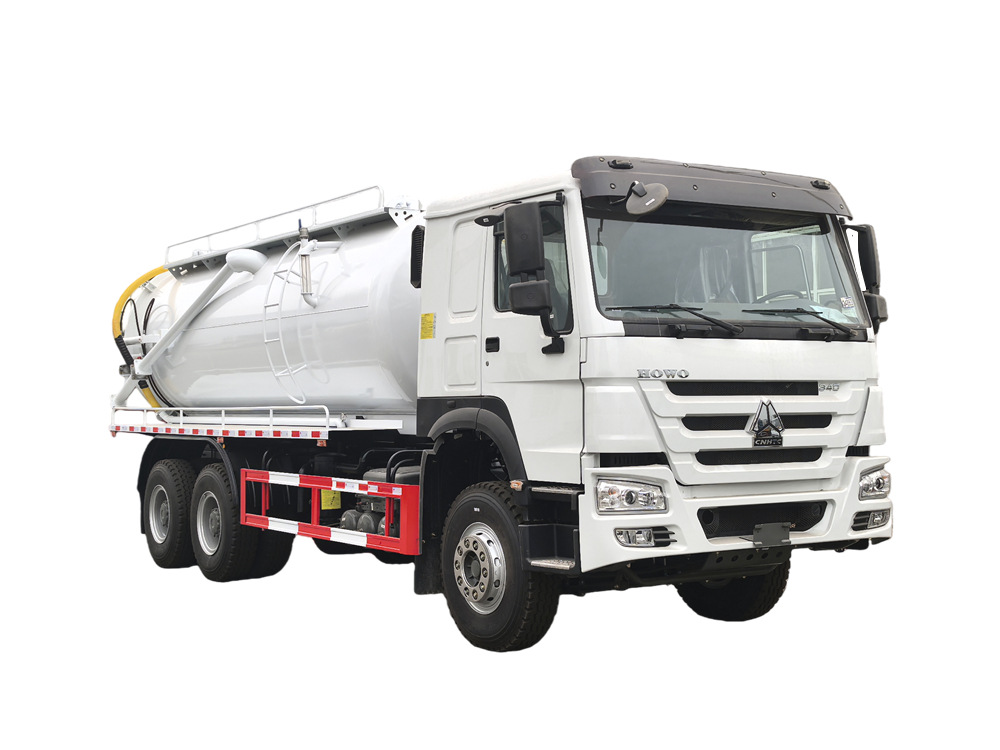
HOWO HW76 6x4 20立方米真空罐车 |
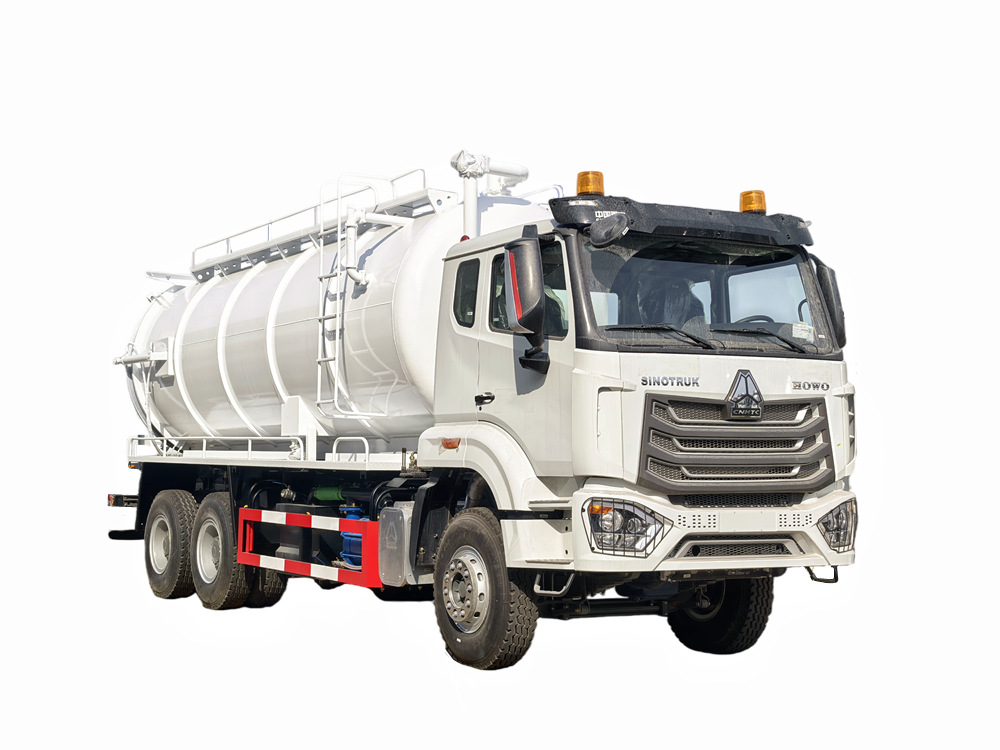
HOWO NX 6x4 20立方米真空罐车 |
★HOWO 4x2 和 6x4 吸污车对比
| 比较 | 4x2 污水吸污车 | 6x4 污水吸污车 | 关键采购考虑因素 |
| 驱动类型 | 2 个车轴:前转向轴,后驱动轴 | 3个车轴:前转向轴,双后驱动轴 | 驱动轴数量越多,承载能力和越野性能就越强 |
| 总重 | 4.5–18吨,储罐容量有限 | 25吨;双后轴分散重量,实现更稳定的装载 | 对于高浓度污泥和大容量处理需求,优先考虑 6x4 型设备。 |
| 水箱容量 | 3–15 立方米,通常为小型储罐 | 16–22 立方米;可通过防晃动挡板设计提供更大容量的定制容量。 | 单次操作体积更大 → 6x4 时效率更高 |
| 力量 | 116-300马力,轻型和中型卡车可选,动力选择范围广 | 功率266–420马力(中国重汽MAN技术发动机),扭矩大,动力储备充足 | 对于爬坡、崎岖路面和重载运输,6x4 是一种不错的选择。 |
| 通过性 | 轴距短,转弯灵活;适合狭窄的城市街道和住宅区。 | 长轴距;双后轴赋予其强大的爬坡能力,能够应对泥泞道路和山地地形;但在狭窄的城市街道上行驶略显笨重。 | 主要用于城市环境请选择 4x2;用于户外/复杂地形请选择 6x4 |
| 运营效率 | 单次装载量小,需要频繁往返;适合短途、小规模作业(例如,住宅化粪池)。 | 单次装载量大,往返次数少;配备中国重汽高效真空泵,吸力快;适用于长距离运输和大规模污泥清理。 | 对于较大的作业半径,优先选择 6x4 的方案;对于较小的作业半径,4x2 的方案就足够了。 |
| 购买成本 | 降低 | 价格更高;由于底盘更好、动力更强、油箱容积更大,中国重汽6x4的价格比4x2更高。 | 如果预算有限且工作负载较小,则选择 4x2;对于长期高频重负载,6x4 更具成本效益。 |
| 运营成本 | 油耗低(15-20升/百公里),维护简便,零部件价格实惠。 | 油耗略高(22–28升/百公里);中国重汽底盘拥有完善的维修网络和便捷的零部件供应,从而有效控制了长期成本。 | 对于高频运行,6x4 的效率优势可以抵消燃料成本。 |
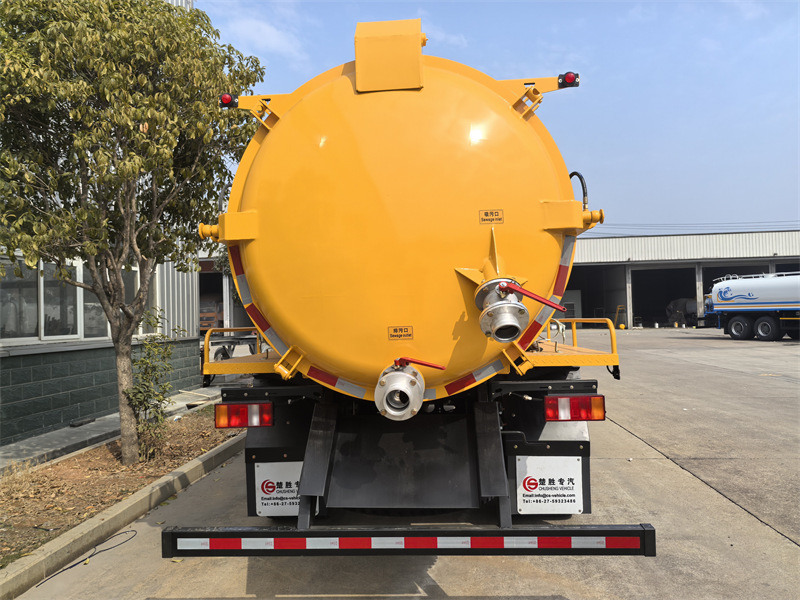
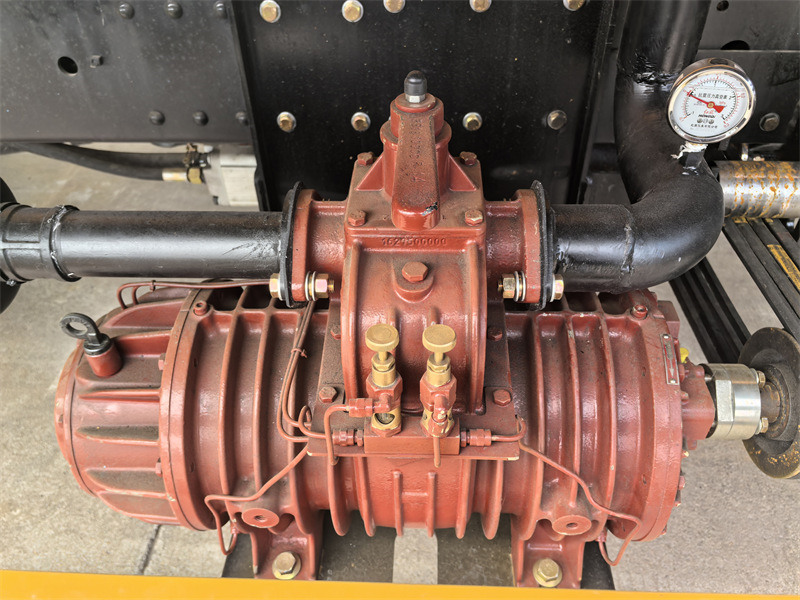
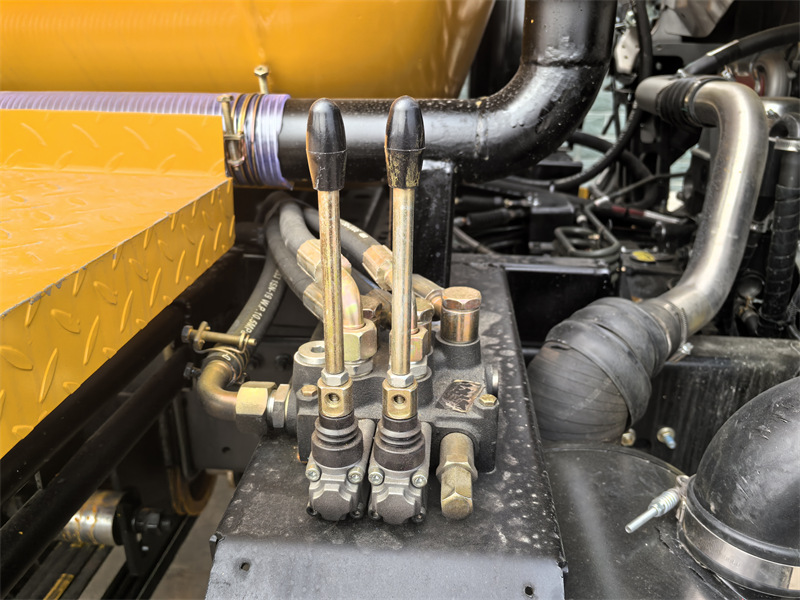
★您会选择哪种类型的豪沃真空罐车——6x4 还是 4x2?
(I)选择4x2真空吸污车
• 运行场景: 主要在城区、居民区和小型工业园区内。作业范围较小,道路平坦,没有陡坡或泥泞道路。
• 运行要求: 单次运输量较小(≤15m³),主要用于化粪池抽吸和小管道疏浚,无需长途运输。
• 预算限制: 预算有限。
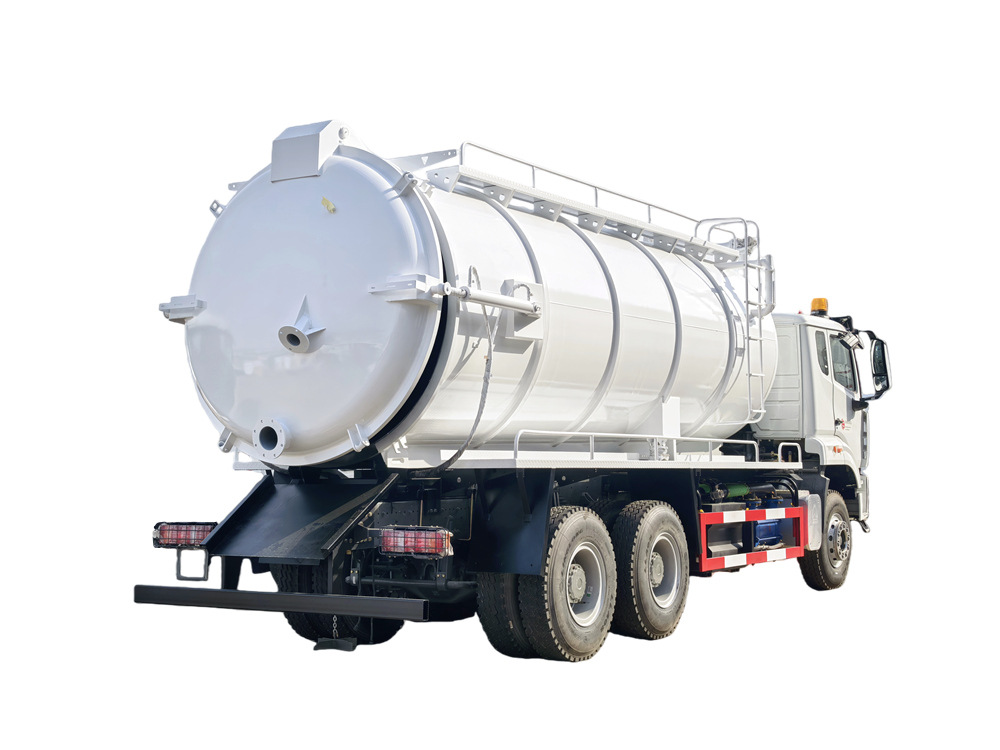 (二)选择 6x4真空吸污车
• 运行场景: 市政管道疏浚、工业废液/污泥运输、大规模农村污水处理。作业范围广,经常涉及山路、泥泞道路和陡坡。
• 运行要求: 单次运输量大(≥15立方米),需要高效运输,减少往返次数,优先考虑长期运营效率。
• 使用要求: 长期、高频运行(每天超过8小时)。重点在于车辆的可靠性和耐久性,旨在降低长期维护成本。
• 预算: 如果预算充足,可以选择 6x4 车型。
留言
扫描至微信/WhatsApp :


 中文
中文 English
 Français
 Deutsch
 Русский
 Italiano
 Español
 Português
 Nederland
 日语
日语 한국어
한국어 Türk
Türk Ελληνικά
 แบบไทย
 Magyar
 Indonesia
 Tiếng Việt
 عربي
عربي Қазақстан
 မြန်မာ
 Filipino
 kiswahili
 Türkmenler
 o'zbek
 Кыргызча
 українська
 čeština
 Slovák
 Română
 فارسی
فارسی hrvatski
 Svenska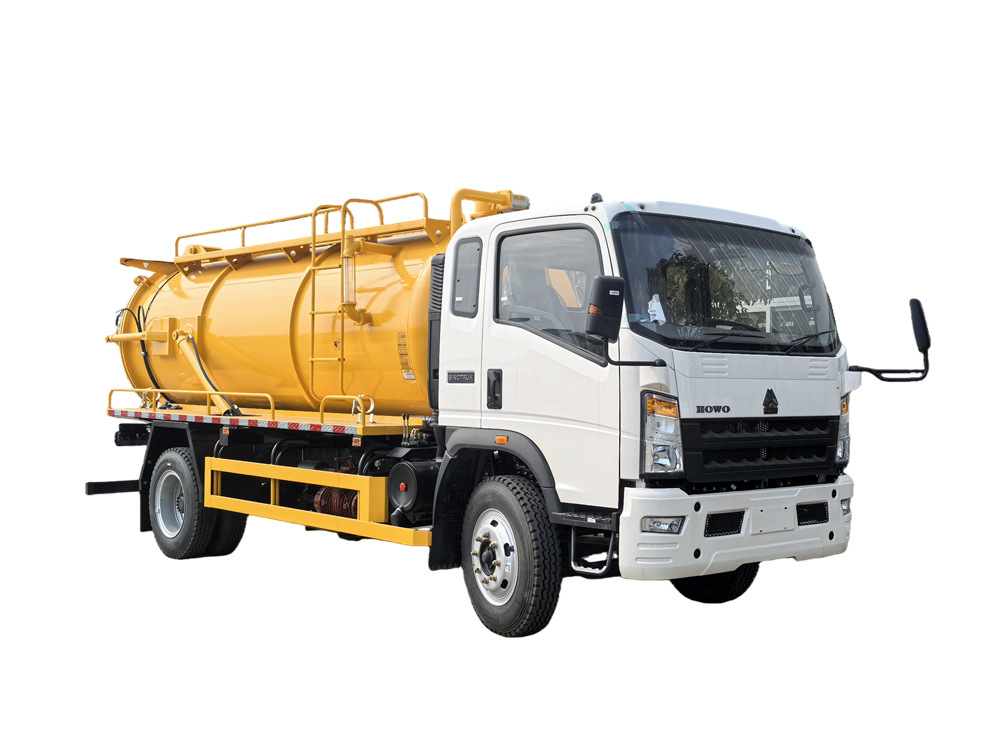



 IPv6 网络支持